
HIV
Definition
HIV (Human Immunodeficiency Virus) is a virus that attacks the human immune system. Without treatment, HIV can eventually lead to AIDS, a stage in which the body becomes severely weakened by infections and diseases.
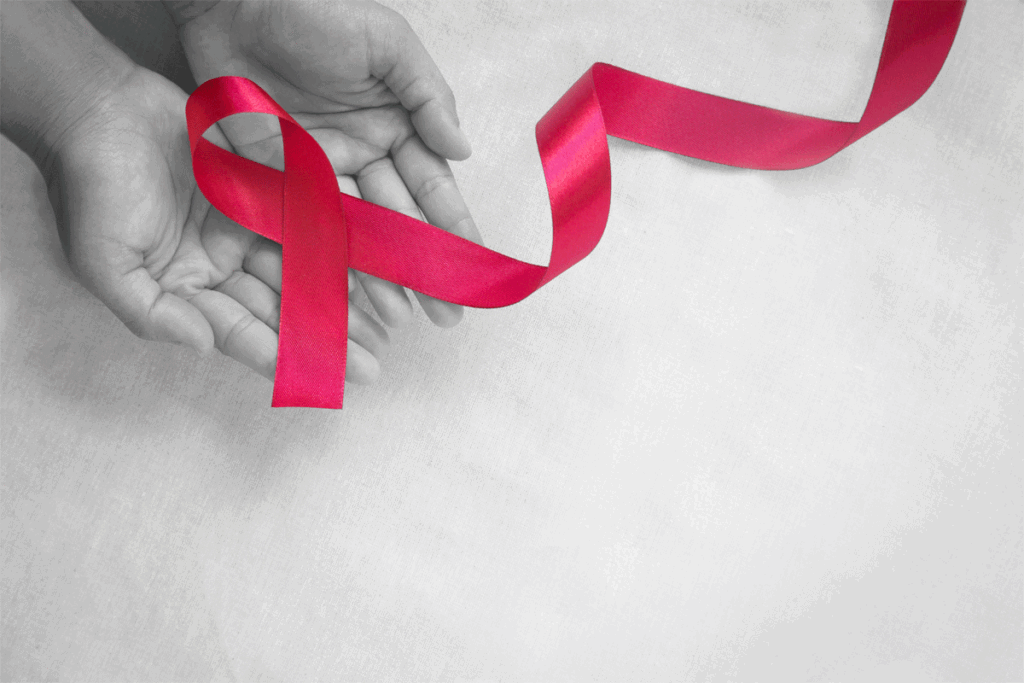
Explanation of HIV
HIV attacks the body’s immune cells, particularly the so-called CD4 cells, which play a key role in fighting infections. As the virus multiplies in the body, the number of these immune cells gradually decreases. As a result, the immune system becomes less able to fight off diseases.
The virus is transmitted through certain bodily fluids, such as blood, semen, vaginal fluids, and breast milk. Transmission can occur during unprotected sexual contact, through blood-to-blood contact, or when sharing needles. HIV is not transmitted through normal social contact such as shaking hands, hugging, or eating together.
In the Netherlands, HIV can now be effectively treated with antiretroviral medication. When someone receives timely treatment, the virus can be kept under control, and they can often lead a normal life. Furthermore, the amount of virus in the blood can become so low that transmission practically no longer occurs. This principle is known as U = U (Undetectable = Untransmittable).
Safety & Key Considerations
Prevention and early detection play a crucial role in limiting the spread of HIV.
Use of condoms during sexual contact.
Regular testing when having multiple partners. Open communication about sexual health.
Preventive measures such as PrEP (pre-exposure prophylaxis) for people at increased risk. Prompt treatment upon diagnosis of an infection.
In the Netherlands, people can get tested at their primary care physician’s office or through the GGD.
Related terms HIV
AIDS
Sexually transmitted diseases
STI
More information
