
Sexually transmitted diseases
Definition
Sexually transmitted diseases are infections that are mainly transmitted through sexual contact. They are also referred to as STDs.
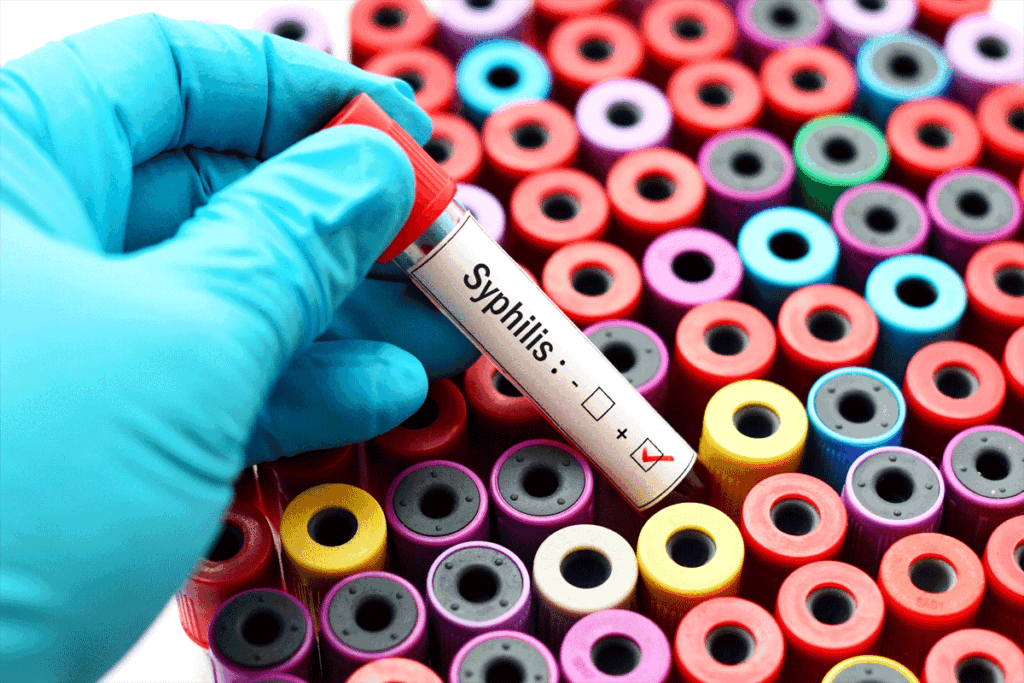
Explanation of sexually transmitted diseases
Sexually transmitted diseases are caused by bacteria, viruses, or parasites that can be transmitted from one person to another during sexual contact. This can happen through vaginal, anal, or oral contact, but also through direct contact with mucous membranes or bodily fluids.
Many well-known sexually transmitted diseases include chlamydia, gonorrhea, syphilis, HIV, genital herpes, and HPV. Some infections cause obvious symptoms, such as pain when urinating, discharge, blisters, or sores around the genitals. Other infections can go unnoticed for a long time, meaning that someone can have a disease without knowing it.
Precisely because some STIs can go unnoticed, testing and open communication play an important role in sexual health. In the Netherlands, people can get tested by their GP or through the GGD (Municipal Health Service).
Within BDSM relationships, swinger contacts, or other forms of consensual non-monogamy, this topic often receives extra attention. When multiple partners are involved, regular testing and transparency about sexual health become even more important.
Safety & points of attention
The risk of sexually transmitted diseases can be reduced by being conscious of sexual health.
Important points of attention include:
Using condoms or other protective measures during sexual contact.
Getting tested regularly if you have multiple partners and communicating openly with partners about test results and sexual health.
Being alert to symptoms such as pain, discharge, sores, or itching. Always seek medical help if you have any doubts or complaints. Early detection and treatment often prevents further spread and can limit serious health problems.
Related terms sexually transmitted diseases
More information
